

Sustainability · 2025
In this section49 topics
- Sustainability Policy3 items
- Sustainability Goals & UN SDGs3 items
- Policy Review3 items
- Business Value Chain1 item
- Stakeholder Analysis1 item
- Environmental Policy & Guidelines3 items
- Environmental Policy Review1 item
- Energy — Plan & Guidelines2 items
- Energy — Electricity Consumption1 item
- Energy — Fuel Consumption2 items
- Energy — Targets1 item
- Energy — Performance & Outcomes2 items
- Water — Plan & Guidelines4 items
- Water — Withdrawal, Discharge & Consumption1 item
- Water — Targets2 items
- Water — Performance & Outcomes2 items
- Waste — Plan & Guidelines4 items
- Waste — Generation, Disposal & Recycling1 item
- Waste — Targets2 items
- Waste — Performance & Outcomes2 items
- GHG — Plan & Guidelines4 items
- GHG — Emissions1 item
- GHG — Emissions Verification4 items
- GHG — Principles & Standards1 item
- GHG — Targets1 item
- GHG Targets — Other Targets1 item
- GHG — Performance & Outcomes2 items
- Environmental Legal Incidents1 item
- Social Policy & Guidelines5 items
- Social Policy Review1 item
- Social — Principles & Standards Practised1 item
- Human Rights Due Diligence2 items
- Employees — Plan & Guidelines3 items
- Employees — Workforce2 items
- Employees — Remuneration & Provident Fund2 items
- Employees — Training & Development2 items
- Employees — Occupational Health & Safety2 items
- Employees — Labour Relations2 items
- Employees — Employee Representation2 items
- Employees — Targets2 items
- Employees — Performance & Outcomes2 items
- Customers — Plan & Guidelines5 items
- Customers — Satisfaction Results1 item
- Customers — Targets2 items
- Customers — Performance & Outcomes2 items
- Community & Social — Plan & Guidelines5 items
- Community & Social — Targets2 items
- Community & Social — Performance & Outcomes2 items
- Law Violation Incidents1 item
Sustainability Policy
Has a Sustainability Policy
Yes
Policy Description
Within our ESG Framework, SPRC has systematically advanced its environmental, social, and governance priorities as follows:
Environment: Improving energy efficiency, reducing carbon emissions, preventing spills, and managing waste and water resources effectively.
Social: Protecting employee health and safety, strengthening community engagement, and fostering an inclusive and resilient organization.
Governance: Operating with transparency and integrity, maintaining robust risk management systems, and leveraging digital technologies to enhance production efficiency and cybersecurity.
Policy Document Link
https://www.sprc.co.th/th/corporate/CorporateDocuments/EN/Corporate%20Policy%20102%20Sustainability%20Policy.pdf
Sustainability Goals & UN SDGs
Has Sustainability Goals
Yes
Goals Description
Sustainability Framework and KPIs
As SPRC enters the era of becoming an Integrated Energy Company, combining the strengths of the refinery business and retail marketing, SPRC recognizes that long-term growth must be built on a foundation of responsibility and sustainability. Therefore, this sustainability framework is not a stand-alone document, but a strategic blueprint that integrates environmental, social, and governance (ESG) aspects into core operations at every level of the organization.
SPRC’s sustainability framework and KPIs are designed to address the most material challenges of the business group, focusing on transforming risks into opportunities for innovation, both in refinery production processes and in expanding the retail business toward more environmentally friendly Energy Hubs.
UN Sustainable Development Goals
| SDG Goal |
|---|
| Goal 1 No Poverty |
| Goal 3 Good Health and Well-being |
| Goal 4 Quality Education |
| Goal 5 Gender Equality |
| Goal 6 Clean Water and Sanitation |
| Goal 7 Affordable and Clean Energy |
| Goal 8 Decent Work and Economic Growth |
| Goal 9 Industry, Innovation and Infrastructure |
| Goal 10 Reduce Inequalities |
| Goal 11 Sustainable Cities and Communities |
| Goal 12 Responsible Consumption and Production |
| Goal 13 Climate Action |
| Goal 14 Life below Water |
| Goal 15 Life on Land |
| Goal 16 Peace, Justice and Strong Institutions |
| Goal 17 Partnerships for the Goals |
Policy Review
Policy Reviewed This Year
Yes
Policy Changed This Year
No
Review Details
A sustainability policy has been established and is communicated internally and on the website.
For more information https://www.sprc.co.th/th/sustainability/SitePages/SPRC-Sustainability.aspx
Business Value Chain
Value Chain Description
Star Petroleum Refining Public Company Limited (SPRC) attaches great importance to stakeholder engagement at every stage of the business value chain. The Company recognizes that value creation and sustainability are not derived solely from internal operations, but are intrinsically linked with business partners, customers, employees, communities, and the wider society. The Company’s value chain management therefore encompasses comprehensive oversight of economic, social, and environmental impacts, to balance business growth with stakeholder expectations.
The Company’s operations can be broadly divided into two key components:
1. Primary Activitiescovers the end-to-end flow from feedstock sourcing, production processes, product distribution, marketing and sales, through to customer servicing. These activities directly contribute to value creation and the delivery of quality products to the market, and include:
1.1 Inbound Logistics
Sourcing crude oil from multiple suppliers to ensure security of supply.
Selecting business partners based on quality, safety, and environmental standards.
Transporting and storing feedstock in safe and compliant storage facilities.
1.2 Operations
Planning production in line with market demand.
perating the refinery and conducting stringent product quality control.
Maintaining and improving equipment and production processes to maximize efficiency.
Complying with applicable laws and enforcing robust safety and environmental measures.
1.3 Outbound Logistics
Storing finished products in facilities that meet safety standards.
Distributing products via pipelines, vessels, and tank trucks to ensure timely and reliable delivery.
Delivering products to customers on time.
1.4 Marketing and Sales
Maintaining long-term relationships with customers and business partners on continuous basis.
Providing accurate information on products.
Expanding markets domestically and internationally, such as Cambodia, Lao PDR and Singapore.
1.5 Customer Services
Monitoring customer satisfaction.
Handling complaints and resolving issues in a transparent.
Providing advice to build confidence and foster sustainable relationships.
2. Support Activities comprise management functions that reinforce and enhance the effectiveness of the primary activities, such as procurement, human resource management, corporate governance, risk management, occupational health and safety, as well as information systems and corporate standards. These activities help ensure that all aspects of the Company’s operations are efficient, transparent, and sustainable, and include:
Procurement: Conducting procurement of raw materials and equipment in a transparent and auditable manner.
Human Resource Management: Establishing policies on human rights, ensuring fair treatment of employees, and developing workforce capabilities.
ccupational Health, Safety, and Environment Management: Implementing stringent measures to reduce risks and prevent adverse impacts from production and logistics activities.
Corporate Governance and Risk Management: Maintaining internal control and governance systems to uphold transparency and reduce risks across the value chain.
Information Systems and Corporate Standards: Developing IT systems and controls to support all core business processes.
Stakeholder Analysis
Stakeholder Analysis
| Stakeholder Type | Stakeholders | Stakeholder Expectations | Response to Expectations | Communication Activities |
|---|---|---|---|---|
| Internal stakeholders | 2921 · Description: Employees | • Fair remuneration and benefits
• Career skill development and training
• Safe working environment
• Opportunities for career advancement and participation in corporate policy
• Human rights, diversity, equity and non-discrimination
| • Annual opinion and engagement survey
• People development plans and career paths
• Happy Workplace project and activities to strengthen corporate culture
• Town Hall meetings, internal communications and other meetings
• Training on human rights and equality
| 2940 · Description: Social Event · 2942 · Description: Internal Meeting · 2945 · Description: Complaint Reception · 2946 · Description: Employee Engagement Survey · 2947 · Description: Satisfaction Survey · 2948 · Description: Training / Seminar |
| External stakeholders | 2902 · Description: Community | • Engagement and shared value creation
• Environmental Stewardship
• Safety and quality of life
• Job opportunity and support for local activities
| • Community feedback forums
• Social and environmental projects
• Collaboration with local organizations
• Impact reporting and transparent communication
| 2938 · Description: Visit · 2939 · Description: Press Release · 2940 · Description: Social Event · 2941 · Description: Online Communication · 2945 · Description: Complaint Reception |
| External stakeholders | 2913 · Description: Shareholders | • Return on investment
• Transparency and corporate governance
• Risk management and ESG compliance
• Communication of business risks and opportunities
| • Annual General Meeting of Shareholders (AGM)
• Communication through the One Report annual report and Sustainability Report
• Investor Relations channels and corporate website
• Ongoing disclosure of financial and non-financial information
| 2938 · Description: Visit · 2939 · Description: Press Release · 2941 · Description: Online Communication · 2944 · Description: Annual General Meeting (AGM) · 2945 · Description: Complaint Reception |
| External stakeholders | 2923 · Description: Customers | • Quality and safe products
• Fair pricing
• After-sales service
• Protection of customer data (Data Privacy)
| • Customer satisfaction survey
• Quality certifications (ISO, COQ)
• Ongoing communication and provision of product information
• Customer data governance in compliance with the PDPA
| 2941 · Description: Online Communication · 2945 · Description: Complaint Reception · 2947 · Description: Satisfaction Survey |
| External stakeholders | 2931 · Description: Government agencies and Regulators | • Compliance with laws and regulations
• Support for local development
• Cooperation on environmental and safety aspects
• Compliance with international regulations (e.g. FCPA, PDPA)
| • Inspections and reporting in accordance with requirements
• Meetings and consultations with regulatory authorities
• Compliance with international standards such as ISO, FCPA
• Submission of reports and documents as required by law
| 2938 · Description: Visit · 2940 · Description: Social Event · 2941 · Description: Online Communication · 2943 · Description: External Meeting |
| External stakeholders | 2899 · Description: Suppliers · 2918 · Description: Contractors | • Fair procurement and contracting
• Workplace safety
• Sustainable business relationships
• Respect for human rights and labor in line with international standards
| • Transparent procurement processes
• Supplier assessments in accordance with defined standards
• Training in safety and business ethics
• Monitoring and assessing human rights in the supply chain
• Signing of the Supplier Code of Conduct
| 2938 · Description: Visit · 2940 · Description: Social Event · 2941 · Description: Online Communication · 2942 · Description: Internal Meeting |
| External stakeholders | 2929 · Description: Media | • Accurate and timely communication of information
• Transparency in operations
• Collaboration in information disclosure
| • Press conferences and proactive communication
• Dissemination of information through digital media and the website
• Building positive relationships with the media
• Organizing activities to build understanding and provide direct information
| 2938 · Description: Visit · 2939 · Description: Press Release · 2941 · Description: Online Communication |
Environmental Policy & Guidelines
Has an Environmental Policy
Yes
Policy Description
SPRC family has established environmental management policies and practices under the Environmental, Health and Safety Management System (EHS Management System) manual which covers prevention and management of Spills, Waste disposal, Air quality, Energy efficiency and Water management. The compliance of SPRC EHS-Management System elements with the elements of ISO 9001, 14001 and 45001.
Environmental Guidelines
| Guideline |
|---|
| Electricity Management |
| Water Management |
| Waste Management |
| Biodiversity Management |
| Greenhouse Gas and Climate Change Management |
| Air Quality Management |
Environmental Policy Review
Policy Reviewed This Year
No
Energy — Plan & Guidelines
Has an Energy Management Plan
Yes
Plan Description
Significant and the Corporate Commitment
Energy is a key resource that is significant to the entire production process, particularly for oil refineries which are energy-intensive, including electricity, steam, and various fuels. For this reason, SPRC recognizes that planning and managing energy use to achieve the highest effectiveness is a key factor in reducing operating costs, strengthening market competitiveness, and driving the organization toward its sustainability goals through the reduction of both direct and indirect greenhouse gas emissions from operations. The Company recognizes the importance of and is committed to energy management, which is one of the Company’s key strategies.
The Company operates under the sustainability reporting standard GRI 302: Energy, which requires transparent and verifiable reporting of energy consumption within the organization, renewable energy consumption, energy reductions, and energy intensity (Energy Intensity), in order to disclose information on energy use, energy reduction, and renewable energy management transparently.
The Company has established and announced an Energy Management Policy to ensure that energy use within the organization is cost-effective and sustainable, focusing on continuous improvement of energy efficiency and encouraging employees at all levels to participate in the Company’s energy conservation.
The key elements of the Company’s energy policy are summarized as follows:
Continuously develop and improve the energy management system to align with the Company’s goals and relevant laws.
Reduce energy consumption and waste from the production process by promoting the use of efficient and environmentally friendly technologies.
Promote the use of renewable energy or clean energy, such as solar power, and study carbon capture, utilization and storage (CCUS).
Establish measures to regularly monitor, evaluate, and report energy performance.
Promote energy conservation awareness among employees at all levels through training and internal activities.
Senior management is responsible for continuously reviewing and improving the policy to ensure it remains appropriate to the Company’s context.
This policy aligns with reducing energy consumption, as well as developing approaches to increase the share of renewable energy used within the organization.
The Company has defined short-, medium-, and long-term energy strategies to maximize energy efficiency, with key approaches as follows:
Short-term (1–2 years)
Improve equipment and production systems to enhance efficiency, such as Furnace Outlet Temperature Optimization and Furnace Excess O2 reduction.
Replace lighting systems with LED lamps in both office areas and production process areas, and improve air-conditioning systems to reduce energy loss.
Establish an Energy Team to organize activities promoting energy conservation both at work and at home (Energy Conservation), such as SPRC Energy Series newsletters, Energy Exchange Market, and Paperless Campaign.
Develop an Energy Intensity Index (EII) based on Solomon Benchmark criteria for continuous comparative performance assessment.
Medium-term (3–5 years)
Apply digital technology and AI to support real-time measurement, analysis, and energy management.
Increase the proportion of renewable energy in production processes and supporting areas, such as Solar Rooftop and bioenergy.
Long-term (more than 5 years)
Collaborate with government agencies and the energy industry to promote the use of clean energy.
Drive the use of renewable energy and energy from waste in line with the Circular Economy approach.
Energy — Electricity Consumption
Electricity Consumption
| Metric | Current Year | Previous Year | Two Years Ago |
|---|---|---|---|
| Total electricity consumption within the organization (Kilowatt-Hours) | 27,442,076 | 10,579,599 | 5,727,600 |
| Electricity purchased for consumption from non-renewable energy sources (Kilowatt-Hours) | 27,442,076 | 10,579,599 | 5,727,600 |
| Electricity purchased or generated for consumption from renewable energy sources (Kilowatt-Hours) | 0 | 0 | 0 |
Energy — Fuel Consumption
Fuel Consumption
| Metric | Current Year | Previous Year | Two Years Ago |
|---|---|---|---|
| Jet fuel (Litres) | 0 | 0 | 0 |
| Diesel (Litres) | 548,694 | 429,803 | 429,151.18 |
| Gasoline (Litres) | 0 | 0 | 0 |
| Fuel oil (Litres) | 0 | 0 | 0 |
| Crude oil (Barrels) | 59,181,911 | 58,306,282.57 | 55,693,475.06 |
| Natural gas (Standard cubic feet) | 8,714,460,646 | 7,981,958,914.65 | 9,037,619,815.31 |
| LPG (Kilograms) | 0 | 0 | 0 |
| Steam (Metric tonnes) | 0 | 0 | 0 |
| Coal (Metric tonnes) | 0 | 0 | 0 |
Other Fuels
| Fuel | Unit | Current Year | Previous Year | Two Years Ago |
|---|---|---|---|---|
| liquefied petroleum gas (ton) | 3310 · Description: Others | 23,932 | 18,791.23 | 13,813.46 |
Energy — Targets
Has Set Targets
No
Energy — Performance & Outcomes
Has Performance Results
Yes
Performance Description
The Company places importance on energy management as a key factor affecting operational efficiency and business sustainability.
Accordingly, the Company has established an energy management approach that covers all processes, from policy setting, establishing an Energy Management System, implementing energy conservation projects, adopting renewable energy, to monitoring, evaluation, and continuous improvement.
More information in https://www.sprc.co.th/en/sustainability/SitePages/Sustainabilityreport.aspx Page 69
Water — Plan & Guidelines
Has a Water Management Plan
Yes
Plan Description
Water is a natural resource that is vital to life, the economy, and the environment. Sustainable water management is therefore a key issue that the company places the highest importance on, as water is a shared resource among the industrial sector, communities, and ecosystems. Responsible business operations must consider the balance between water use, wastewater treatment, and conservation of natural water resources, to avoid negative impacts on stakeholders and the surrounding environment.
The Company recognizes the relation between water quantity, water quality and its impact on ecosystems and communities. Accordingly, the Company has established a Water Stewardship Policy covering raw water use, wastewater treatment and water reuse, and controlling effluent quality to comply with legal requirements and Thailand standards. The Company is committed to reducing raw water withdrawals from natural sources, increasing the proportion of recycled water (Reuse/Recycle), and continuously monitoring water quality at all discharge points. The Company also places importance on conducting water risk assessments in accordance with the principles of GRI 303-1 and Water Stewardship guidelines, to identify water-stress areas and define appropriate management measures in each area, such as improving water-use efficiency in production processes, installing high-efficiency water treatment systems, and reusing treated water within the refinery. In addition, the Company promotes collaboration with government agencies, the private sector, and local communities to support integrated water management, such as participating in water source conservation projects, monitoring water quality in public waterways, and campaigning for water-saving practices within the organization. The Company is committed to managing water and wastewater under the 3Rs (Reduce, Reuse, Recycle) to maximize the value of every drop of water, while transparently disclosing quantitative and qualitative water information in accordance with GRI 303, and in a manner that is verifiable, to support the United Nations SDG 6: Clean Water and Sanitation, and to build confidence among all stakeholder groups.
The Company places importance on sustainable water resource management, recognizing that water is a shared resource among the industrial sector, communities, and the environment. Therefore, the Company operates under the “Water Stewardship Policy,” covering water sourcing, water use in production processes, wastewater treatment, and water reuse, to ensure efficient use of water resources and to reduce impacts on natural water sources and surrounding communities. This policy emphasizes operations under the 3Rs: Reduce – Reuse – Recycle, together with water risk assessment and compliance with all relevant laws and requirements.
The Company has also set a long-term target for sustainable water management: to reduce raw water consumption from external sources by not less than 5% by 2025, considered 2020 as the base year. For short-term targets (within 1–2 years), the Company aims to raise awareness among employees at all levels regarding the value of water resources, promote water-saving practices, continuously reduce water use in production processes and office activities, and control effluent quality in accordance with legal standards without causing impacts to the environment or communities. To achieve sustainable water use, the Company has implemented the following key strategies:
Enhance water-use efficiency in production processesby improving technology and water-use control systems to maximize efficiency and increase the reuse of treated water in production processes such as cooling systems, equipment cleaning and watering plants.
Develop and maintain wastewater treatment systems to meet international standards,such as installing real-time water quality monitoring systems (Online Monitoring) to control BOD, COD, TSS, and pH to meet standards, and continuously monitoring effluent quality and reporting to relevant authorities.
Water Risk Managementby assessing water source risks in operating areas using tools such as the WRI Aqueduct Water Risk Atlas, including developing drought and flood response plans to maintain business continuity.
Build cooperation with stakeholdersby working with government agencies and local communities to conserve natural water sources and supporting education projects on water-saving practices and aquatic ecosystem restoration activities.
Plan Document Link
https://www.sprc.co.th/en/sustainability/SitePages/Sustainabilityreport.aspx
Page Number in Report
80
Water — Withdrawal, Discharge & Consumption
Water Withdrawal, Discharge & Consumption
| Metric | Current Year | Previous Year | Two Years Ago |
|---|---|---|---|
| Total water withdrawal (Cubic meters) | 3,590,000 | 3,056,657 | 2,831,351 |
| Total water withdrawal by third-party water (Cubic meters) | |||
| Total water withdrawal by surface water (Cubic meters) | |||
| Total water withdrawal by groundwater (Cubic meters) | |||
| Total water withdrawal by seawater (Cubic meters) | |||
| Total water withdrawal by produced water (Cubic meters) | |||
| Percentage of wastewater treated before discharge (%) | 100 | 100 | 100 |
| Total water discharge (Cubic meters) | 1,661,997 | 1,774,334 | 1,691,549 |
| Total water discharge to third-party water (Cubic meters) | |||
| Total water discharge to surface water (Cubic meters) | |||
| Total water discharge to groundwater (Cubic meters) | |||
| Total water discharge to seawater (Cubic meters) | |||
| Total water consumption (Cubic meters) | 1,928,003 | 1,282,323 | 1,139,802 |
| Recycled water (Cubic meters) | 2,250,000 | 2,280,000 | 2,081,845.14 |
Water — Targets
Has Set Targets
Yes
Targets
| Target | Base Year Value | Target Year | Target Change (%) | Unit |
|---|---|---|---|---|
| Reduction of water withdrawal | 2,880,000 | 2,025 | 5 | Cubic meters |
Water — Performance & Outcomes
Has Performance Results
No
Performance Description
In 2025, the Company continuously managed wastewater in accordance with environmental policy and sustainable water resource use targets, aiming to reduce environmental impacts while improving the efficiency of wastewater treatment systems to comply with legal standards and requirements of relevant government agencies. The Company operates a centralized wastewater treatment system capable of comprehensively treating wastewater from production processes, office areas, and other supporting activities. Water quality is regularly tested both by internal laboratories and independent external agencies to ensure that effluent quality parameters, such as BOD, COD, TSS, pH, Oil & Grease are within specified standards prior to discharge to the environment.
Performance during 2022–2025 indicates that the Company was able to control effluent quality at levels better than legal standards 100%, with no incidents of effluent exceeding standards or complaints from surrounding communities. As a result, the Company has been able to manage wastewater effectively and continuously under responsible business operations toward the environment and communities, with a focus on ensuring that effluent quality fully complies with legal standards and all regulatory requirements. Performance during this period demonstrates outstanding success across environmental aspects, production efficiency, and stakeholder confidence.
In this regard, the Company implemented multiple measures to reduce raw water withdrawals from external sources, such as collecting rainwater for use in production processes, installing real-time water measurement systems, maintaining water pipelines and cooling equipment at maximum efficiency, and improving wastewater treatment systems for water reuse, which has helped continuously reduce raw water withdrawals from external sources
Waste — Plan & Guidelines
Has a Waste Management Plan
Yes
Plan Description
The Company sets guidelines for the management of waste in the environmental, occupational health, and safety policy and sets guidelines for the waste management system in the Solid Waste Handling and Disposal Guideline (SWHDG), which includes management directives, roles, and responsibilities. The Company consistently evaluates and reviews its operations to ensure that the waste generated is managed and disposed properly in accordance with Thai regulations, obligations, and international agreements such as the Basel Convention. Furthermore, the Company closely monitors the waste management processes of waste processor partners to ensure compliance with relevant regulations and laws. The Company cultivates a culture of good relationships in waste management and also delegates to all stakeholders, considering it as a key factor for sustainable success in the future.
The waste management of the Company focuses on promoting sustainable development by minimizing and avoiding the disposal of waste through landfilling. It drives management practices based on the waste hierarchy, comprising reduction, reuse, and recycling, or the principles of 3Rs, aiming to minimize the amount of waste destined for landfill disposal as much as possible.
The Company has established guidelines and assessment criteria for evaluating the waste management practices of waste processor partners. These guidelines encompass criteria for selection, verification of operational permits, and monitoring of operations until their waste disposal processes. This ensures that the waste generated from the Company's operations is managed appropriately, and it minimizes the potential impacts that may arise from outsourcing waste management services to the greatest extent possible.
Explore new alternative methods or innovations to enhance waste recovery processes and create added value from waste, in line with circular economy principles.
Plan Document Link
https://www.sprc.co.th/en/sustainability/SitePages/Sustainabilityreport.aspx
Page Number in Report
90
Waste — Generation, Disposal & Recycling
Waste Generation, Disposal & Recycling
| Metric | Current Year | Previous Year | Two Years Ago |
|---|---|---|---|
| Total waste generated (Kilograms) | 9,494,630 | 10,084,400 | 9,763,024 |
| Non-hazardous waste (Kilograms) | 1,193,450 | 339,200 | 227,135 |
| Non-hazardous waste - Landfilling (Kilograms) | |||
| Non-hazardous waste - Incineration (with energy recovery) (Kilograms) | |||
| Non-hazardous waste - Incineration (without energy recovery) (Kilograms) | |||
| Non-hazardous waste - Other disposal operations (Kilograms) | |||
| Hazardous waste (Kilograms) | 8,301,180 | 9,745,200 | 9,535,889 |
| Hazardous waste - Landfilling (Kilograms) | |||
| Hazardous waste - Incineration (with energy recovery) (Kilograms) | |||
| Hazardous waste - Incineration (without energy recovery) (Kilograms) | |||
| Hazardous waste - Other disposal operations (Kilograms) | |||
| Total reused/recycled waste (Kilograms) | 9,494,630 | 10,073,900 | 9,697,609.1 |
| Reused/Recycled non-hazardous waste (Kilograms) | 1,193,450 | 332,600 | 170,760 |
| Reused non-hazardous waste (Kilograms) | |||
| Recycled non-hazardous waste (Kilograms) | |||
| Reused/Recycled hazardous waste (Kilograms) | 8,301,180 | 9,741,300 | 9,526,849.1 |
| Reused hazardous waste (Kilograms) | |||
| Recycled hazardous waste (Kilograms) |
Waste — Targets
Has Set Targets
Yes
Targets
| Waste Type | Disposal Approach | Target | Base Year | Base Year Value | Target Year | Target Year Value | Target Change (%) | Unit | Unit — Please Specify |
|---|---|---|---|---|---|---|---|---|---|
| Non-hazardous waste | 2759 · Description: Recycle | Increase waste utilization | 2,021 | 100 | 2,025 | 100 | Other | % | |
| Non-hazardous waste and hazardous waste | 2760 · Description: Landfilling | Reduce waste volume | 2,021 | 1 | 2,025 | 0 | 0 | Tonne |
Waste — Performance & Outcomes
Has Performance Results
Yes
Performance Description
In the refinery’s production processes, the Company places great importance on comprehensive waste management to ensure efficient resource utilization and reduced environmental impacts. Most of the waste generated from production processes consists of sludge, oil-contaminated waste, liquids from storage tanks, and spent catalysts. The Company has defined management approaches based on the 3Rs principles (Reduce, Reuse, Recycle) to ensure that all types of waste are managed safely and recovered for maximum beneficial use.
In 2025, the Company generated total waste of 9,495 tonnes, comprising routine waste of 7,345 tonnes and non-routine waste from maintenance activities and process improvements of 2,150 tonnes. The Company was able to manage 100% of total waste in full compliance with legal requirements. The Company increased the proportion of waste recovered for beneficial use as follows:
Maintained 100% of waste managed under the 3Rs framework.
Waste sent to landfill decreased to only 0% of total waste, in line with the operational target under the “Zero Waste to Landfill” strategy.
GHG — Plan & Guidelines
Has a GHG Management Plan
Yes
Plan Description
The Company recognizes that climate change and intensifying global warming directly impact the global energy industry, economy, and environment. As a leading refinery in Thailand, we are committed to environmental responsibility by prioritizing GHG emission reductions across all production processes to support the Thailand Net Zero 2050 goal.
To ensure robust oversight and transparency, the Company has aligned its climate disclosures with the Task Force on Climate-related Financial Disclosures (TCFD) framework. We have integrated climate change considerations into our core energy management strategy, focusing on enhancing efficiency and continuously reducing operational carbon dioxide emissions
Our commitment is driven by four operational pillars:
Strategic Collaboration: The Company partners with experts from Chevron to implement world-class energy efficiency improvements.
Innovation: The Company is actively studying Carbon Capture, Utilization, and Storage (CCUS) and Sustainable Aviation Fuel (SAF) to drive our transition toward a Low Carbon Refinery.
Governance & Monitoring: We maintain continuous monitoring of energy use and GHG emissions, with regular performance reporting to the management team and Board-level oversight to ensure alignment with our sustainability framework.
Risk Integration: Climate-related risks-both transition and physical-are integrated into our Enterprise Risk Management (ERM) process to ensure long-term business resilience.
SPRC Supports Thailand’s Climate Change Targets
SPRC is proud to be part of Thailand’s efforts to move toward a low-carbon future. Our goal is to reduce the carbon emission intensity from our operations, while providing reliable energy at reasonable prices, which is a key driver of national growth.
SPRC believes that the future of energy is low carbon, and we strongly hope to play an important role in supporting Thailand to achieve net zero greenhouse gas emissions by 2050
Plan Document Link
https://www.sprc.co.th/en/sustainability/SitePages/Sustainabilityreport.aspx
Page Number in Report
49
GHG — Emissions
GHG Emissions
| Metric | Current Year | Previous Year | Two Years Ago |
|---|---|---|---|
| Total GHG emissions (Metric tonnes of carbon dioxide equivalent) | 1,254,162 | 1,293,665 | 1,195,721.38 |
| Total greenhouse gas emissions 1 (Metric tonnes of carbon dioxide equivalent) | 1,236,250 | 1,283,698 | 1,192,996.12 |
| Total greenhouse gas emissions 2 (Metric tonnes of carbon dioxide equivalent) | 17,912 | 9,967 | 2,725.26 |
| Total greenhouse gas emissions 3 (Metric tonnes of carbon dioxide equivalent) |
GHG — Emissions Verification
Emissions Verified by a Third Party
Yes
Verifying Body
2645
Verification Document Link
https://eonemedia.setlink.set.or.th/report/1294/2025/1771975765479.pdf
Verification Web Page
https://www.sprc.co.th/th/about/Shared%20Documents/thumbnail_CFO%20certificate_24%20(1).png
GHG — Principles & Standards
Principles & Standards Applied
| Standard |
|---|
| 2671 |
| 2672 |
| 2674 |
| 2677 |
GHG — Targets
Has Set GHG Targets
Yes
GHG Targets — Other Targets
Other GHG Targets
| Emission Scope | Base Year | Base Year Emissions | Near-term Target Year | Near-term Target Value | Target Year | Target Year Emissions | Unit | Per Unit — Please Specify |
|---|---|---|---|---|---|---|---|---|
| 2717 | 2,024 | 1,256,012 | 2,028 | 0.16 | 2,028 | 0.16 | Metric tonnes of carbon dioxide equivalent | Tons/ Tons throughput |
GHG — Performance & Outcomes
Has Performance Results
Yes
Performance Description
The Company is committed to improving energy efficiency and reducing greenhouse gas emissions as a core component of our climate-related risk mitigation and opportunity capture strategy. Our key projects are designed to build long-term business resilience and support our roadmap toward a Low Carbon Refinery.
The Company prepares the organization’s GHG Inventory covering direct and indirect emissions for monitoring and managing emissions in Scope 1, Scope 2, and the greenhouse gas emission intensity ratio on an annual basis.
In 2025, the Company received the certificate of the carbon label certification mark under the category Carbon Footprint for Organization (CFO) from the Thailand Greenhouse Gas Management Organization (Public Organization) on November 4, 2025. Mr. Pongkorn Chochuwong, Executive Vice President, Operational Excellence, represented the Company to receive the certificate from the presiding officer, the Deputy Secretary-General to the Prime Minister for Political Affairs, reinforcing the commitment to systematically preparing inventories and managing greenhouse gases.
Environmental Legal Incidents
Legal Violation Incidents
| Metric | Current Year | Previous Year | Two Years Ago |
|---|---|---|---|
| Number of cases or incidents of legal violations or negative environmental impact (cases) | 0 | 0 | 0 |
Employees — Plan & Guidelines
Has an Employee Management Plan
Yes
Plan Description
The Company places strong emphasis on human capital management, recognizing employees as its most valuable asset and a key factor contributing to the Company’s success. Accordingly, the Company is committed to caring for, developing, and enhancing employees’ quality of life to the highest possible standard.
Human Rights and Non-Discrimination
The Company respects and upholds the human rights and fundamental freedoms of all employees and promotes an inclusive workplace that encourages engagement with key stakeholders. The Company values diversity, respects individual differences, and treats all employees equally in accordance with international human rights principles. Discrimination in any form is strictly prohibited, including discrimination based on race, religion, skin color, nationality, age, gender, disability, military service status, or political views.
The Company has established a non-discrimination policy toward employees living with HIV/AIDS. Employment decisions are not made on the basis of health conditions, provided that employees receive appropriate medical treatment and are able to perform their duties. The Company does not require HIV testing as a condition of employment, and HIV infection is not considered grounds for termination.
In addition, the Company regularly reviews its recruitment application forms to collect only information that is necessary, with due regard to personal data protection. The recruitment and selection process is conducted fairly and transparently, in line with human rights principles, without exclusion or discrimination based on personal differences.
Organizational Culture
The Company fosters an organizational culture under the concept of “One Team – One Family,” encouraging employees to work together as a unified team, similar to members of the same family. This culture emphasizes care, mutual support, and compassion (Caring) among employees.
Throughout the year, employee safety and morale remain the Company’s top priorities. The Company strives to maintain strong engagement between management and employees, build positive relationships with contractors, and continuously strengthen employee morale and organizational commitment.
Employee Experience and Engagement
The Company focuses on enhancing the overall employee experience, covering communication, work systems, and ongoing engagement activities to strengthen employee commitment and work efficiency. Key initiatives include:
Employee Engagement Pulse Survey: Short surveys conducted to gather employee feedback, which is used to enhance engagement and support change management during business integration, while strengthening organizational capability and work culture.
Town Hall Meetings: Hybrid communication sessions combining virtual and on-site formats to ensure continuous communication and understanding of the Company’s business situation.
CEO Messages: Regular communication from the Chief Executive Officer delivered via email.
Leaders Connected: Hybrid communication sessions among senior executives and managers across the organization, aimed at strengthening effective communication and promoting change leadership.
EVP Touchpoints: Hybrid two-way communication sessions between the Executive Vice President, Commercial and teams to strengthen relationships and enhance open dialogue.
Hybrid HR Visits: Hybrid meetings between HR and employees to maintain accessibility and engagement through information sharing and discussions on employee benefits, career development, and training opportunities.
HR News: Regular email communications to enhance employees’ understanding of benefits and employee development initiatives.
Welfare Committee Meetings: Statutory meetings conducted on a regular basis in hybrid format for both the Refinery and Commercial business, in collaboration with employer representatives, to oversee employee welfare and compensation and improve communication through the committee.
Hybrid Work Arrangement: Employees whose roles are not directly involved in production processes are allowed to work remotely on Mondays and Fridays, and on-site from Tuesday to Thursday.
Training and Development: Employee development programs are delivered through a combination of virtual training and classroom-based learning, as appropriate, to ensure continuous and effective development.
Employee Activities and Sports Events: The Company organizes internal activities and participates in external sports competitions with other Refineries and Petrochemical companies in Thailand, such as Refinery Games and Map Ta Phut Complex Games, to promote employee and contractor health and relationships.
Digitalization: The Company utilizes SAP SuccessFactors, a cloud-based HR digital platform, for performance management, succession planning, and learning and development across the organization. Employees are also encouraged to develop digital skills and foster a digital mindset to enhance operational efficiency and support management decision-making.
Compensation and Benefits
The Company implements a compensation and benefits policy that ensures fairness, appropriateness, and competitiveness for employees at all levels in both the short and long term, to attract and retain high-potential talent.
Short-Term: Performance-based bonuses are aligned with the Company’s financial and operational performance under the “One Team - One Family” objectives. Key performance indicators include recordable injury rates, production efficiency, energy utilization and conservation, and budget management. Monthly performance summaries are communicated to employees through the Company’s digital dashboard to encourage engagement and collective achievement of shared goals.
Long-Term: The Company maintains competitive salary structures through annual compensation reviews and market benchmarking conducted by external consulting firms, comparing compensation levels with leading organizations in the petrochemical, oil refining, and fuel businesses in Thailand.
In addition, the Company offers Flexible Benefits, allowing employees to tailor benefits to their individual needs, such as medical expenses, dental care, education support for children, family medical coverage, and life insurance.
Learning and Capability Development
The Company is fully committed to developing employees’ skills, knowledge, and capabilities by encouraging participation in both internal and external training programs, as well as overseas training and study visits. Development initiatives cover both functional skills and soft skills, complemented by on-the-job training through coaching and mentoring by supervisors and experienced colleagues.
The Company also promotes leadership development through secondment programs with its major shareholder, Chevron Corporation. High-potential employees from the Company may be seconded to Chevron, while Chevron’s high-potential employees may also be seconded to the Company to facilitate knowledge exchange, capability development, and preparation for succession in critical positions.
Furthermore, the Company provides online learning platforms that enable employees at all levels to access learning content anytime and anywhere. This flexible learning approach supports practical application, enhances work efficiency, and creates opportunities for career advancement, while contributing to employees’ overall well-being and job satisfaction.
The Company also implements succession planning, talent management, and career path development for employees at all levels to ensure leadership continuity and organizational sustainability.
Health, Well-being, Safety, and Occupational Health
The Company promotes employee health and well-being through a variety of initiatives, including a fully equipped medical clinic with on-site doctors and nurses serving both employees and contractors, and annual health check-ups for employees.
Health promotion programs include initiatives such as Free Salad Day, offered twice a month, encouragement of physical activity through more than 15 employee sports clubs, provision of appropriate exercise facilities, and support for sports relationship-building events such as annual refinery sports competitions and the Map Ta Phut Complex Games.
In addition, the Company provides an Employee Assistance Program (EAP) that offers counseling and support services to employees and their families, delivered by external professional psychologists, to address work-related or personal issues.
With regard to occupational health and safety, the Company ensures that employees and contractors are treated with the highest standard of care, with safety as the top priority. Comprehensive safety training programs, clear rules and regulations, and appropriate personal protective equipment are provided to all employees to ensure a safe working environment.
Plan Areas
| Plan Area | Other — Please Specify |
|---|---|
| Fair employee compensation | |
| Employee training and development | |
| Promoting employee relations and participation | |
| Migrant/foreign labor | |
| Child labor | |
| Occupational health and safety in workplace | |
| Others | Human Rights, Organizational Culture, Compensation and Benefits, Performance Management, and Health and Well-being |
Employees — Workforce
Introduction
The Company places strong emphasis on fair, transparent, and lawful employment management in compliance with applicable labor laws and principles of good corporate governance in human resource management. Recruitment and selection processes are conducted based on qualifications, knowledge, competencies, and suitability for each position, without discrimination of any kind, including discrimination on the basis of gender, race, or disability.
In addition, the Company is committed to providing a safe working environment that supports employee capability development. Employment terms and conditions, compensation, benefits, and employee entitlements are established in accordance with legal requirements and international labor standards to ensure fair and equitable treatment of all employees. These practices support the retention of high-potential talent, enhance employment stability, and contribute to the Company’s long-term sustainable growth.
Workforce Data
| Metric | Current Year | Previous Year | Two Years Ago |
|---|---|---|---|
| Total number of employees (Persons) | 712 | 721 | 553 |
| Number of male employees (Persons) | 499 | 508 | 413 |
| Number of female employees (Persons) | 213 | 213 | 140 |
| Total employment of disabled persons (people) | 1 | 1 | 1 |
| Total disabled employees (people) | 1 | 1 | 1 |
| Total male disabled employees (people) | 1 | 1 | 1 |
| Total female disabled employees (people) | 0 | 0 | 0 |
| Total disabled workers who are non-employee (people) | 0 | 0 | 0 |
| Contributions to the fund for promoting and improving the quality of life for disabled persons | 1 | 1 | 1 |
| Total number of male employees in operational level (Persons) | 417 | 414 | 349 |
| Total number of male employees in management level (Persons) | 68 | 79 | 54 |
| Total number of male employees in executive level (Persons) | 14 | 15 | 10 |
| Total number of female employees in operational level (Persons) | 181 | 180 | 123 |
| Total number of female employees in management level (Persons) | 25 | 26 | 12 |
| Total number of female employees in executive level (Persons) | 7 | 7 | 5 |
Employees — Remuneration & Provident Fund
Introduction
Compensation
SPRC recognizes that our employees and management are the most important resources for achieving the strategic goals of the company. Our One Family culture cares for and respects all employees and management. It is the Company's policy to attract and retain high-performance employees and encourage them to excel in the organization through attractive remuneration and benefits that fairly and equitably reward our employees for their contributions to SPRC’s success and that are competitive with other companies in Thailand's petrochemical industry.
In 2025, total compensation, including salary, bonus, overtime pay, provident fund, welfare, and other benefits paid to employees and executives, was Baht 1,491 million and 440 million for Refinery and Commercial respectively. The annual merit increase for each employee is determined based on the individual’s annual performance result and market competitiveness.
Other Benefits
The Company provides benefits to the employees such as Housing Allowance, Housing and Automobile Interest Subsidy, Annual Holidays, Maternity Leave, Paternity Leave, Compassionate Leave, Life Insurance and Disability, and Medical Coverage. We also provide the Flexible Benefits program that allows individual employees to select benefits that fit with their lifestyle and family’s needs.
The Company also provides employees’ retirement package which complies with Thai Labor Law. We recognize employees with “Top Up with Gold” and a special gift from management at their retirement. The Company has recorded retirement benefits of Baht 42 million in 2025.
Remuneration & Provident Fund
| Metric | Current Year | Previous Year | Two Years Ago |
|---|---|---|---|
| Total disabled employees (people) | 1,673,226,208.65 | 1,778,375,275.22 | 1,376,564,302 |
| Total male employee remuneration (Baht) | 1,212,181,331.38 | 1,265,060,370.97 | 1,028,067,010.35 |
| Total female employee remuneration (Baht) | 461,044,877.27 | 513,314,904.25 | 348,497,291.65 |
| Number of employees eligible to participate in PVD (persons) | 685 | 522 | 506 |
| Total number of employees joining employee provident fund (Persons) | 677 | 520 | 505 |
| Percentage of total number of employees joining employee provident fund to total number of employees (%) | 95.08 | 72.12 | 91.32 |
| Number of PVD members / Total eligible employees (%) | 98.83 | 99.62 | 99.8 |
| Total amount of provident fund contributed by the Company (Baht) | 106,260,758 | 102,553,919.04 | 76,487,765.45 |
| Total amount of provident fund contributed by employee (baht) | 106,290,672.72 | 102,051,533.6 | 72,745,856.44 |
Employees — Training & Development
Introduction
The Company’s human capital development plan aims to enhance organizational capability in alignment with business objectives, supporting the vision of becoming a sustainable industry leader under the SPRC One Team framework across the oil refining and fuel businesses. This is achieved through continuous development of employees’ skills, knowledge, and capabilities, in line with SPRC’s core values and the We Lead leadership and behavioral framework, to collectively deliver superior and sustainable business outcomes.
The Company adopts a diversified learning approach to employee capability development by encouraging participation in both internal and external training programs, as well as overseas training and study visits. Development initiatives cover functional skills and soft skills, complemented by on-the-job training through coaching by supervisors and experienced colleagues. In addition, leadership and capability development are further strengthened through secondment programs with the Company’s major shareholder, Chevron Corporation. High-potential employees of the Company are provided with secondment opportunities at Chevron, while high-potential Chevron employees may also be seconded to the Company to facilitate knowledge exchange and strengthen organizational capabilities, in preparation for succession in critical positions.
Furthermore, the Company promotes continuous learning and career advancement through online learning platforms, enabling employees at all levels to access learning content anytime and anywhere via supported communication tools. This flexible learning approach allows employees to tailor their learning to individual needs and apply knowledge effectively in their roles, thereby enhancing work efficiency and creating opportunities for career progression.
In addition, leadership development is also reinforced through the Train the Trainer program, which focuses on building internal facilitators and strengthening leadership capability across the organization in support of the Company’s journey toward becoming a high-performance and sustainable organization. In 2025, the Company successfully developed four internal trainers for The 7 Habits of Highly Effective People program and delivered training to 25 employees.
In 2025, the Company conducted 192 training programs aimed at enhancing employees’ skills and performance, with an average of 29 training and development hours per employee per year.
Training Data
| Metric | Current Year | Previous Year | Two Years Ago |
|---|---|---|---|
| Average employee training hours (Hours / Person / Year) | 29 | 58 | 56 |
| Employee development and training expenses (baht) | 10,500,000 | 14,500,000 | 10,400,000 |
Employees — Occupational Health & Safety
Introduction
In 2025, the company continued to develop and improve the effectiveness of its safety, occupational health, and working environment operations to reduce the risk of illness, injury, or fatality, and to ensure appropriate quality of life for employees and contractors. Key initiatives included the following:
Providing occupational health and safety training to everyone who working within the company’s premises to enhance knowledge, understanding, and essential skills for safe work practices. In early 2026, the company will conduct major project activities and a large-scale maintenance shutdown. To support this, an additional large training room has been constructed to accommodate occupational health and safety training for employees and contractors who will be working during the preparation and shutdown period, with an expected workforce of approximately 5,000 people. In 2025, more than 2,000 contractors have already received training.
Conducting annual health examinations based on job-related risks for both employees and contractors received annual health checkups according to their risk factors, delivered by certified mobile medical units from accredited hospitals, provided directly at Company's premises.
Implementing Health Risk Assessment Revalidation, a Health Risk Assessment working team was established, consisting of representatives from all departments together with occupational health and safety experts. The committee conducted comprehensive health risk assessments covering all activities and job positions within the company to ensure that every activity carried out is safe for all workers.
Organizing health promotion activities which employees and contractors in each department were encouraged to propose and organize their own health promotion activities. These included weight-loss challenges, step-count campaigns, calorie tracking from exercise, and various fun activities that help strengthen team relationships.
Providing training and refresher courses on emergency response and first aid & CPR. Training was delivered to operations employees who serve as members of the Emergency Response Team, covering fire prevention and firefighting as well as toxic chemical spill containment. First Aid and CPR training was also provided to new employees, operations personnel, electrical maintenance staff, and any other interested employees.
Conducting weekly supervisor meetings which held with both employee and contractor supervisors to communicate and discuss key tasks scheduled for the week, including potential risks and hazards, necessary preventive measures, precautions, and critical safety requirements. Supervisors were responsible for ensuring understanding of these topics and communicating them to their respective teams to ensure correct and safe implementation.
In 2025, there was one lost time injury case, which occurred when an employee tripped and fell in the reception area of the office building. The company has already implemented preventive measures, including communication to reinforce hazard awareness related to slip, trip, and fall risks, as well as inspections of areas where such risks may exist, followed by corrective actions in all identified risk areas.
Occupational Health & Safety Data
| Metric | Current Year | Previous Year | Two Years Ago | Remark |
|---|---|---|---|---|
| Total number of lost time injury incidents by employees (Cases) | 1 | 0 | 0 | An employee tripped over the edge of a promotional exhibition sign placed beside the reception hall in the office building during the lunch break. While walking back from the cafeteria to return to the office, the employee fell to the floor and was injured in the rib area. The incident was caused by a lack of hazard awareness, as the employee was turning to greet and talk to a colleague while walking and was not watching the path ahead |
Employees — Labour Relations
Introduction
The Company has implemented an ongoing employee engagement plan to strengthen employees’ organizational commitment and promote its aspiration to become an Employer of Choice, under the SPRC One Team – One Family, with a shared objective across the organization. The plan focuses on fostering high levels of employee participation and cultivating a feedback-rich culture within a psychologically safe working environment. The Company utilizes employee engagement surveys developed by Gallup to collect feedback and suggestions from all employees through regular Pulse Surveys. The survey results are reviewed and jointly discussed by the Company’s leadership team to align on organization-wide engagement improvement approaches. In addition, each business unit is required to develop internal action plans based on its respective survey results to strengthen team relationships through various initiatives, such as communication meetings, management–employee engagement sessions, and activities designed to enhance collaboration and teamwork.
In 2025, the Company’s voluntary turnover rate was 1.12%, decreasing from 1.39% in the previous year.
In addition, the Company conducted an Employee Engagement Survey, with 637 employees participating. The overall average engagement score was 3.98 out of a maximum score of 5.00.
Labour Relations Data
| Metric | Current Year | Previous Year | Two Years Ago |
|---|---|---|---|
| Total voluntary resignations (Persons) | 8 | 10 | 6 |
| Male employees who voluntary resigned (Persons) | 2 | 4 | 2 |
| Female employees who voluntary resigned (Persons) | 6 | 6 | 4 |
| Percentage of employee turnover leaving the Company voluntarily (%) | 1.12 | 1.39 | 1.08 |
| Evaluation result of employee engagement | 1 | 1 | 1 |
Employees — Employee Representation
Employees Are Represented Collectively
Yes
Forms of Representation
| Form |
|---|
| Welfare committee |
Employees — Targets
Has Set Employee Targets
Yes
Targets
| Indicator | Target Areas | Target Year | Target Year — Description |
|---|---|---|---|
| Minimum Wage Compliance | 2983 · Description: Fair employee compensation | 2,025 | Company’s minimum remuneration rate exceeds the minimum wage required by law |
| Full competency to perform their current roles in alignment with organizational expectations | 2984 · Description: Employee training and development | 2,025 | 100% |
| Engagement Score | 2985 · Description: Promoting employee relations and participation | 2,025 | Full score of 5 points |
| All employees to be at least 18 years of age, with pre-employment verification | 2987 · Description: Child labor | 2,025 | All employees to be at least 18 years of age |
Employees — Performance & Outcomes
Has Performance Results
Yes
Performance Description
Fair Compensation Practices
The Company sets minimum compensation levels above the statutory minimum wage and regularly benchmarks its compensation structure against peer companies in the petrochemical industry to ensure that employee remuneration remains competitive, fair, and aligned with labor market conditions. Compensation is determined based on job roles, responsibilities, and individual performance, with the objective of attracting, motivating, and retaining high-quality talent.
Employee Training and Development
In 2025, the Company implemented employee training and development programs to enhance workforce skills and capabilities. A total of 192 training programs were delivered, with an average of 29 training and development hours per employee per year.
Employee Engagement and Relations
The Company actively promotes employee engagement and constructive employee relations through various communication channels, collaborative activities, and knowledge-sharing initiatives, including:
Employee Engagement Pulse Survey: Conducted twice a year by Gallup. Survey results are communicated to employees on a regular basis, and each department is required to develop action plans to strengthen employee engagement.
CEO Communications: Regular messages from the Chief Executive Officer delivered via email.
Quarterly Town Hall Meetings: Company-wide employee meetings held on a quarterly basis.
Leaders Connected: Communication sessions between senior executives and all managers across the Company.
Employee Feedback Channels: Employee opinions and suggestions are gathered through appropriate online platforms (PollEV) and on-site mechanisms.
Welfare Committee Meeting.
HR Visit: Regular meetings between employees and the HR team.
Employee Relationship-Building Activities: Activities designed to enhance collaboration and employee relationships, including participation in external sports competitions with Refineries and Petrochemical companies in Thailand.
In 2025, the voluntary employee turnover rate was 1.12%, representing a decrease from 1.39% in 2024, reflecting improved employee engagement and retention.
The Company conducted two employee engagement assessments during the year, with the following results:
First Assessment: Overall employee engagement score of 3.98, against a target of 5.00.
Second Assessment: Engagement results across four key dimensions:
Leadership & Respect: 3.90 (target: 5.00)
Feedback-Rich Culture: 4.02 (target: 5.00)
Well-Being & Belonging: 3.94 (target: 5.00)
Safety & Reliability: 4.27 (target: 5.00)
Awards
In 2025, the Company received several awards recognizing excellence in human resource management, including:
HR Excellence Awards 2025 by Human Resources Online (an online publication of Lighthouse Independent Media):
Excellence in Total Rewards Strategy (Bronze)
This award recognizes organizations that design and implement integrated total rewards programs encompassing compensation, benefits, salary adjustments, bonus schemes, and employee recognition. Award recipients demonstrate a deep understanding of workforce dynamics, strong governance, effective communication, and continuous improvement in enhancing employee engagement and organizational effectiveness. In 2025, the Company successfully implemented a unified compensation management structure across all business units while maintaining market competitiveness. This approach also supports balanced career pathways aligned with the Company’s We Lead performance management framework, underpinned by clear governance, to strengthen employee engagement and retention of high-potential talent.Women’s Tabloid Awards 2025 – Emerging Woman CHRO (Oil & Gas)
Recognizing female leadership in driving HR transformation aligned with the volatility of the energy industry, fostering organizational culture during periods of transition, and delivering tangible people-related outcomes.
This award was presented to Vice President, Human Resources.
Company Supporting Internship Program 2025, Rayong Technical College
This certificate recognizes the Company’s structured support for vocational and technical internship programs, covering job placement, mentoring systems, safety management, and learning outcomes. In 2025, the Company enhanced its internship program by strengthening mentoring frameworks and hands-on learning related to operational systems and processes. Interns were closely supervised by experienced employees who provided guidance on operational standards, regulatory compliance, and efficiency improvement, while instilling a strong safety mindset at every stage—from hazard awareness to risk mitigation.
This program reflects the Company’s commitment to developing skilled, safety-conscious talent to support the future of Thailand’s energy industry.
Customers — Plan & Guidelines
Has a Customer Management Plan
Yes
Plan Description
Summary Table of SPRC’s Management Approach
Value Chain Elements | Focus | Mechanism/ | Intended Outcomes |
SPRC MS – SPRC Management System | Establishes and controls standards across all work processes | Use SPRC MS as the “backbone” to structure processes under a single system for continuous improvement that is fit-for-purpose and sustainable | Stable processes with quality, safety, and efficiency governed throughout the operating value chain |
Operational Excellence (OE) | Tangible, proven execution outcomes | OE is “controlled through SPRC MS,” ensuring all functions operate systematically under the same standard by integrating governance, work processes, and performance monitoring | Consistent quality, high safety, improved efficiency, and reliable production/ delivery processes to customers |
Customer Confidence | Value/outcomes resulting from product delivery to customers | Deliver products and services that are consistent, transparent, safe, and aligned with agreed requirements through strong internal management systems | Long-term customer confidence and satisfaction |
Plan Document Link
https://www.sprc.co.th/en/sustainability/SitePages/Sustainabilityreport.aspx
Page Number in Report
219
Plan Areas
| Plan Area |
|---|
| Responsible production and services for customers |
| Development of customer satisfaction and customer relationship |
Customers — Satisfaction Results
Customer Satisfaction Results
| Metric | Current Year | Previous Year | Two Years Ago |
|---|---|---|---|
| Evaluation results of customer satisfaction | 1 | 1 | 1 |
Customers — Targets
Has Set Customer Targets
Yes
Targets
| Indicator | Target Areas | Target Year | Target Year — Description |
|---|---|---|---|
| Customer Satisfaction score over 80% | 3007 · Description: Responsible production and services for customers · 3008 · Description: Communication of product and service impacts to customers/consumers · 3009 · Description: Development of customer satisfaction and customer relationship · 3010 · Description: Consumer data privacy and protection | 2,025 | 91% |
Customers — Performance & Outcomes
Has Performance Results
Yes
Performance Description
Summary Table of Key Project Performance for 2025
Project Category | Target | 2023 | 2024 | 2025 Result |
Customer Satisfaction (CSI) | ≥ 80% | 86.7% | 89.7% | 91% |
Number of significant customer complaints on product safety | 0 | 0 | 0 | 0 |
Number of significant customer complaints on personal data security | 0 | 0 | 0 | 0 |
Number of significant customer complaints on delivery of products and services | 0 | 0 | 0 | 0 |
1.1 Product Integrity (Jet A-1 Interface) |
|
|
|
|
1.2 Logistics System Efficiency 1.2.1.1 Increase truck loading throughput – Sunday terminal |
|
|
|
|
1.2.1.2 Increase asphalt loading capacity |
|
|
| |
1.2.1.3 Improve fuel oil tank to dispatch diesel via truck |
|
|
| |
1.2.2 Diesel truck loading for export from Khon Kaen terminal |
|
|
| |
1.3 Marine & JV Terminals Readiness – renew vessel no. 5 |
|
|
| |
1.4 New opportunities with specialty product customers |
|
|
|
|
1.5 Customer-Centric & Engagement |
|
|
|
|
The Company drives customer stewardship and product responsibility through SPRC MS linked to Operational Excellence (OE), under governance, transparency, and verifiability. This ensures that processes from production, storage, transportation, to delivery of goods and services are standardized and continuous improvement loop. The Company also uses international standards such as ISO 9001/14001/45001/27001 and ISO/IEC 17025 as the foundation for quality and safety control throughout the business value chain. In addition, the Company’s logistics advantages, its location in the Map Ta Phut Industrial Estate, multimodal transport infrastructure (pipeline, trucks, vessels, SPM), two marine terminals, truck loading terminal, and storage of 71 tanks / crude oil around 4.9 million barrels, help reduce cost and operational time, and enhance delivery flexibility of goods and services. These outcomes are reflected in customer satisfaction levels consistently above the organizational threshold (2023 at 86.7%, 2024 at 89.7%, and 2025 at 90.5% versus the target of not less than 80%), together with proactive engagement through refinery visits, customer appreciation activities, and co-development of specialty products. All of the above reinforces consistent quality, safety beyond standards, and reliable delivery, experiences that customers can truly feel and that align with the Company’s sustainability goals.
Community & Social — Plan & Guidelines
Has a Community & Social Plan
Yes
Plan Description
In 2025, the Company continued its commitment to continuous community and social operations through tangible implementation covering four key areas, as follows:
Education – Promote educational opportunities and develop youth potential to be ready for changes in the modern world through activities and projects that strengthen skills, knowledge, and sustainable growth.
Quality of Life – Support projects that enhance community quality of life in health, well-being, work–life balance, as well as income generation and local economic stimulation, to build long-term community resilience.
Environment – Implement measures and projects that reduce environmental impacts and promote environmentally friendly practices across all sectors, to help conserve natural resources and support sustainable growth.
Community Relations – Strengthen good relationships and trust with surrounding communities through activities and projects that enable participation, two-way communication, and listening, to foster continuous co-development.
Plan Document Link
https://www.sprc.co.th/en/sustainability/SitePages/Sustainabilityreport.aspx
Page Number in Report
202
Plan Areas
| Plan Area |
|---|
| Employment and professional skill development |
| Education |
| Religion and culture |
| Forests and natural resources |
| Sports and recreation |
| Occupational health, safety, health, and quality of life |
Community & Social — Targets
Has Set Community & Social Targets
Yes
Targets
| Indicator | Target Areas | Base Year | Base Year — Description | Target Year | Target Year — Description |
|---|---|---|---|---|---|
| Goal for community engagement satisfaction at 80% | 3037 · Description: Education · 3041 · Description: Occupational health, safety, health, and quality of life | 2,025 | Goal for community engagement satisfaction at 80% | 2,028 | 80% |
Community & Social — Performance & Outcomes
Has Performance Results
Yes
Performance Description
Performance and Key Projects
Education
The Company places importance on promoting education and youth development as a key foundation for national development. The Company supports learning opportunities alongside continuous development of skills, knowledge, and ethics for children and youth, to enhance quality of life and strengthen their potential to become important drivers of society and the economy in the long- term.
Education Support to Develop Youth and Build Sustainability
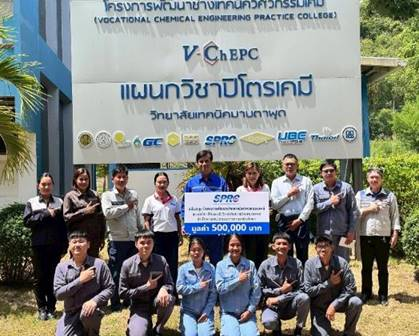
In 2025, the Company continued to support technical skills development by providing a budget of Baht 500,000 to support the Vocational Chemical Engineering Practice College (V-ChEPC) project of Map Ta Phut Technical College. The Company has supported this project continuously for more than 18 years, with cumulative support of more than Baht 15 million, to strengthen technical personnel readiness to meet the needs of the petroleum and petrochemical industries and to support the development direction of the Eastern Economic Corridor (EEC) effectively.
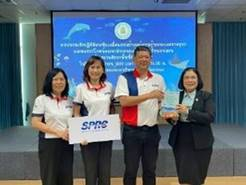
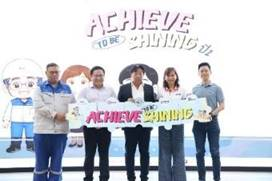
In addition to scholarships and skills development support, the Company also promotes learning on natural resources and the environment by providing 400 copies of the Rayong Marine and Coastal Ecosystem Handbook to educational institutions in Rayong Province. The Company also co-organized the “Achieve to be Shining” activity, Year 2 to broaden career perspectives and inspire youth in planning their future education and career pathways.
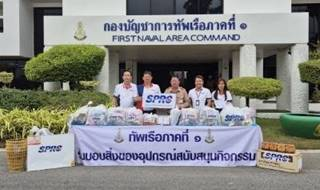
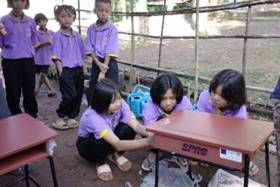
In addition, the Company, through the STAR Volunteer Club, has continuously implemented the “San Fan Pan Suk” project for nearly 10 years at three Mae Fah Luang Thai Hill Tribe Community Learning Center in Tak Province, to enhance quality of life and expand educational opportunities for remote communities. In 2025, the Company supported basic factors that facilitate learning and well-being for teachers and students, aligned with the vision “One Caring Family … Energizing Our Future” and the concept of “Education for Life and Society.” At the same time, the Company also supported teaching and sports equipment for the First Naval Area Command to be delivered to Border Patrol Police schools under the iodine-enriched seafood project, which is another collaboration to develop youth in remote areas, reflecting the Company’s commitment to enhancing youth quality of life and sustainable human resource development.
|
|
|
|
|
|


Quality of Life
The Company aims to comprehensively enhance the quality of life of communities in its operating areas across economic, health, safety, and social strength dimensions. The Company focuses on responding to communities’ basic needs while building cooperation across all sectors to strengthen community potential for sustainable development and growth.
Promoting the Community Economy and Livelihoods
In 2025, the Company organized the “SPRC Community Market” activity six times throughout the year to provide space for local entrepreneurs in Rayong Province to present and sell a variety of products, such as local food, processed products, and community enterprise products. The activity received a very positive response from employees and participants, including pop-up markets within various Company activities, generating total community income of more than Baht 1.2 million.
The objective of the community market activity is to expand sales channels for local entrepreneurs, strengthen the grassroots economy, and build good relationships between the Company and surrounding communities, reflecting responsible business operations and balanced development across all dimensions.
More info refer sustainability report https://www.sprc.co.th/en/sustainability/SitePages/Sustainabilityreport.aspx
Law Violation Incidents
Law Violation Incidents
| Metric | Current Year | Previous Year | Two Years Ago |
|---|---|---|---|
| The total number of cases or incidents of significant violations of laws or regulations regarding social and human rights (Cases) | 0 | 0 | 0 |
| The total number of cases or incidents that cause significant labor disputes (Cases) | 0 | 0 | 0 |
| The total number of cases or complaints related to consumer rights violations (Cases) | 0 | 0 | 0 |
| The total number of cases or complaints related to partner rights violations (Cases) | 0 | 0 | 0 |
| The total number of cases or incidents that cause disputes with the community/society (Cases) | 0 | 0 | 0 |
| The total number of cases or incidents related to cyber security or customer data breaches (Cases) | 0 | 0 | 0 |
| The total number of cases or incidents related to safety and occupational health at work (Cases) | 0 | 0 | 0 |